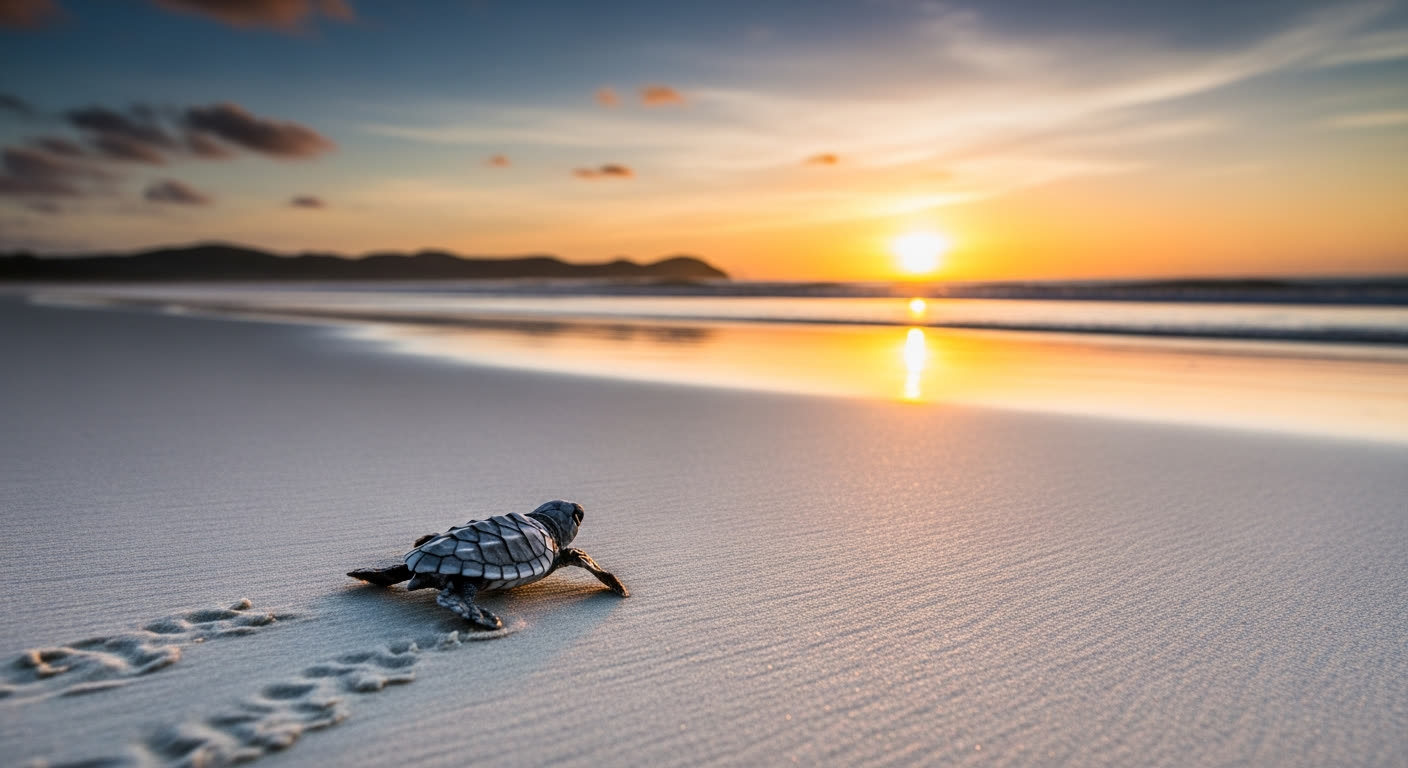
Guardians of the Island
Anna Maria Island is a delicate ecosystem. We share this sand with incredible wildlife.
Anna Maria Island's seven miles of pristine, powder-white sand aren't just a paradise for vacationers — they're a critical sanctuary for native wildlife. As visitors and residents, we aren't just spectators — we're the guardians of these species. Here's everything you need to know to enjoy the island responsibly and leave no trace behind.
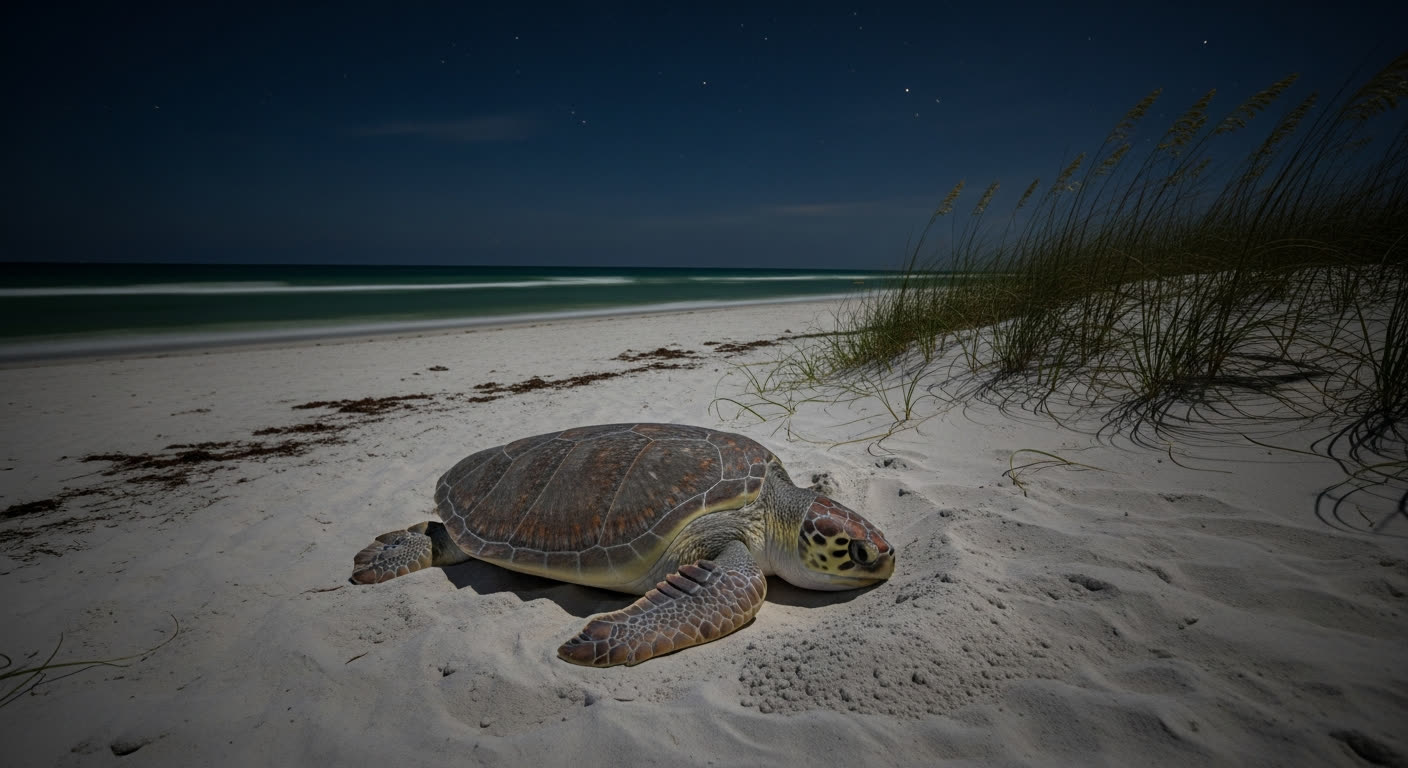
Sea Turtle Season: The Night Shift
Every year from May 1st through October 31st, AMI becomes one of Florida's most important nesting grounds for Loggerhead sea turtles (and occasionally Green turtles). Under cover of darkness, mother turtles lumber ashore to lay their eggs, and months later tiny hatchlings emerge to make a perilous dash for the Gulf of Mexico.
The Beachgoer's Sunset Checklist
Turn the Lights Off
White flashlights, phone screens, and bright balcony lights confuse turtles — they mistake artificial light for the horizon and crawl inland toward danger. Use turtle-safe red LED lights only, and keep exterior blinds shut after dark.
Knock Down Sandcastles & Flatten Mounds
To a tiny hatchling measuring less than two inches, a left-behind sandcastle is the equivalent of a mountain range. Flatten your creative structures before you leave.
Fill In the Holes
Nesting mothers and hatchlings can fall into dug-out sand holes and become trapped — and people walking the beach at night can break an ankle. Always fill in any holes you or the kids dug during the day.
Leave No Trace
Take all umbrellas, canopies, chairs, and trash with you. Beach gear left overnight creates an obstacle course that can entangle a nesting mother, forcing her to turn back without laying her eggs — known as a "false crawl."
A Big Nod to Our Local Heroes
Everything we know about protecting these magnificent creatures is thanks to Anna Maria Island Turtle Watch & Shorebird Monitoring (AMITW). For over four decades, this volunteer organization has walked the beaches at dawn — locating nests, tracking data, and educating the public. They are the true heartbeat of AMI's conservation efforts.
Their work is powered entirely by volunteers and community donations. Your support keeps the dawn patrols walking and the nests protected, season after season.
Donate to AMITW →Look Down! Protecting Our Island Birds
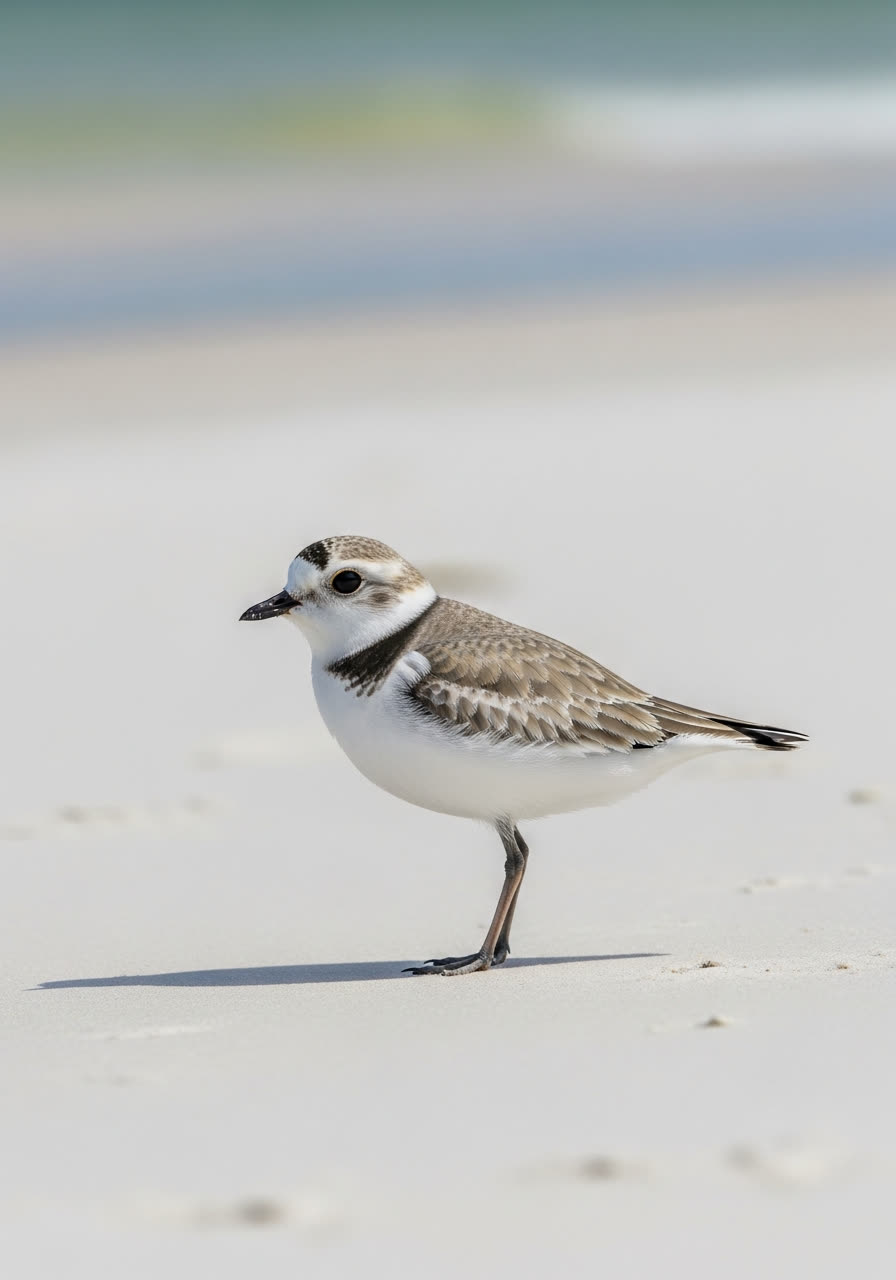
Turtles get a lot of the spotlight, but AMI's shorebirds are fighting for space too. Species like the Black Skimmer, Least Tern, and Snowy Plover nest right on the dry sand between May and August. Because their eggs look exactly like sea shells and pebbles, they're nearly impossible to see.
Respect the Twine
You'll often see sections of the upper beach roped off with stakes and string. These are active shorebird nesting territories designated by AMITW. Never cross these boundaries.
Don't Make Them Fly
Forcing shorebirds to flush for a photo wastes critical energy they need to survive and care for their young. When a parent is scared off a nest, the intense Florida sun can cook the exposed eggs in minutes.
Keep Your Pups at Home
Dogs aren't allowed on AMI public beaches. Shorebirds perceive dogs as natural predators and will abandon their nests immediately if a dog gets close.
The Gentle Giants: Manatee Mindfulness
Look out into Bimini Bay, the Intracoastal Waterway, or just past the surf on the Gulf side and you might spot a snout breaking the surface. These are Florida Manatees, or "sea cows." In spring and summer they navigate our shallow coastal waters to feed on seagrass beds. Because they're incredibly slow-moving, their biggest threat is boat traffic.
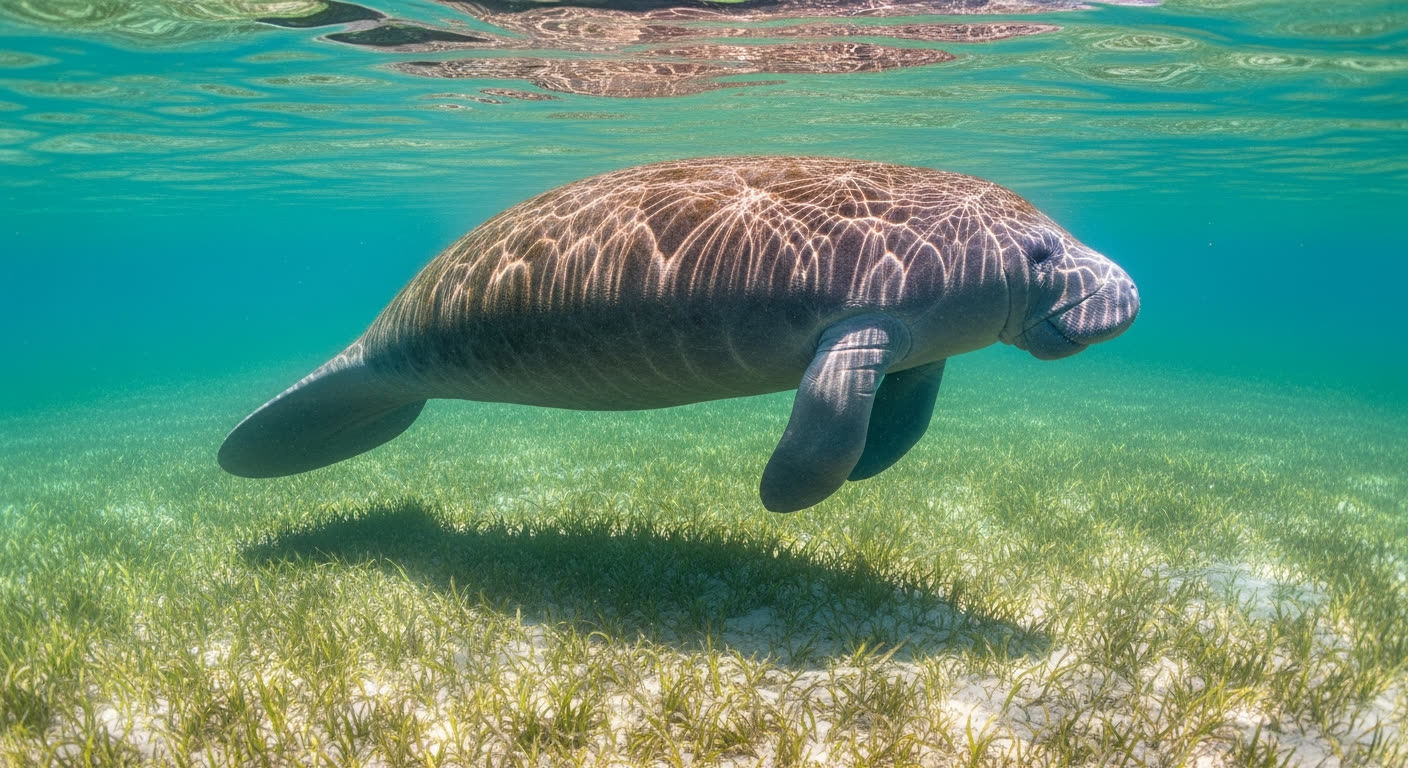
Watch Your Wake
If you rent a boat or jet ski, pay close attention to the posted signs. The waters around AMI are strictly regulated with "Idle Speed" and "Slow Speed" Manatee Zones.
Wear Polarized Sunglasses
These cut through the water's surface glare, letting you spot the telltale "manatee footprint" — a circular wave pattern created by their tails just beneath the surface.
Look, Don't Touch
Never feed a manatee, offer it water from a hose, or try to touch one. It teaches them to approach boats, which frequently leads to propeller injuries.
Local Wildlife Rescue
Wildlife Inc.
Wildlife Inc. Education & Rehabilitation Center is a licensed nonprofit wildlife rehabilitation organization serving Florida's native species. Founded in 1988, its team rehabilitates thousands of wild animals each year with the goal of returning them to the wild.
The rehabilitation clinic is not open to the public. Always call before transporting or dropping off an animal.
Call 8 a.m.–9 p.m.(941) 778-6324Found an Injured Animal?
These first steps protect both you and the animal.
STEP 1
Pause and Observe
Make sure rescue is necessary. A wild animal may be resting, temporarily stunned, or a healthy baby waiting for its parent. Keep people and pets back while you assess from a safe distance.
STEP 2
Call Wildlife Inc. First
Call (941) 778-6324 between 8 a.m. and 9 p.m. Do not text, email, or send social messages—the rescue line is the way to reach a licensed rehabilitator.
STEP 3
Do Not Feed or Give Water
Food, water, or the wrong feeding method can cause serious harm. Wait for instructions from a licensed wildlife rehabilitator, even if the animal appears hungry.
STEP 4
Handle Only When It Is Safe
Never handle adult wildlife yourself. Keep away from bats, raccoons, foxes, skunks, birds of prey, herons, egrets, and other animals that can bite, scratch, carry rabies, or defend their young.
STEP 5
If a Rehabilitator Advises Containment
Use a secure, ventilated box lined with a towel and keep it quiet, dry, dark, and away from children and pets. Do not use a heating pad for birds. Follow Wildlife Inc.'s species-specific directions.
STEP 6
Do Not Drop Wildlife at a Vet
Wildlife Inc. asks callers not to leave wild animals at veterinary offices. Call first so the licensed rehabilitation team can tell you where to go and what to do next.
See an Animal in Distress?
If you encounter an injured bird, a stranded manatee, or a sea turtle nesting during bright daylight hours, please don't intervene yourself. Call the experts who can deploy immediate help.
Conservation FAQs
How You Can Help
Small choices on the sand add up fast. Here's how every visitor can keep Anna Maria Island wild and thriving.
Ditch Single-Use Plastics
Pack a refillable bottle and reusable bags. Plastic that blows into the Gulf is mistaken for food and turns deadly for turtles and seabirds.
Join a Beach Cleanup
Local groups host regular cleanups all season. An hour of picking up litter makes the sand far safer for nesting wildlife.
Report Injured Wildlife
For injured native wildlife, call Wildlife Inc. before intervening. Sea turtles, manatees, and other protected species have dedicated contacts below.
Leave No Trace by Sunset
Fill in holes, flatten sandcastles, and carry out every piece of gear so the turtles' night shift can nest undisturbed.